



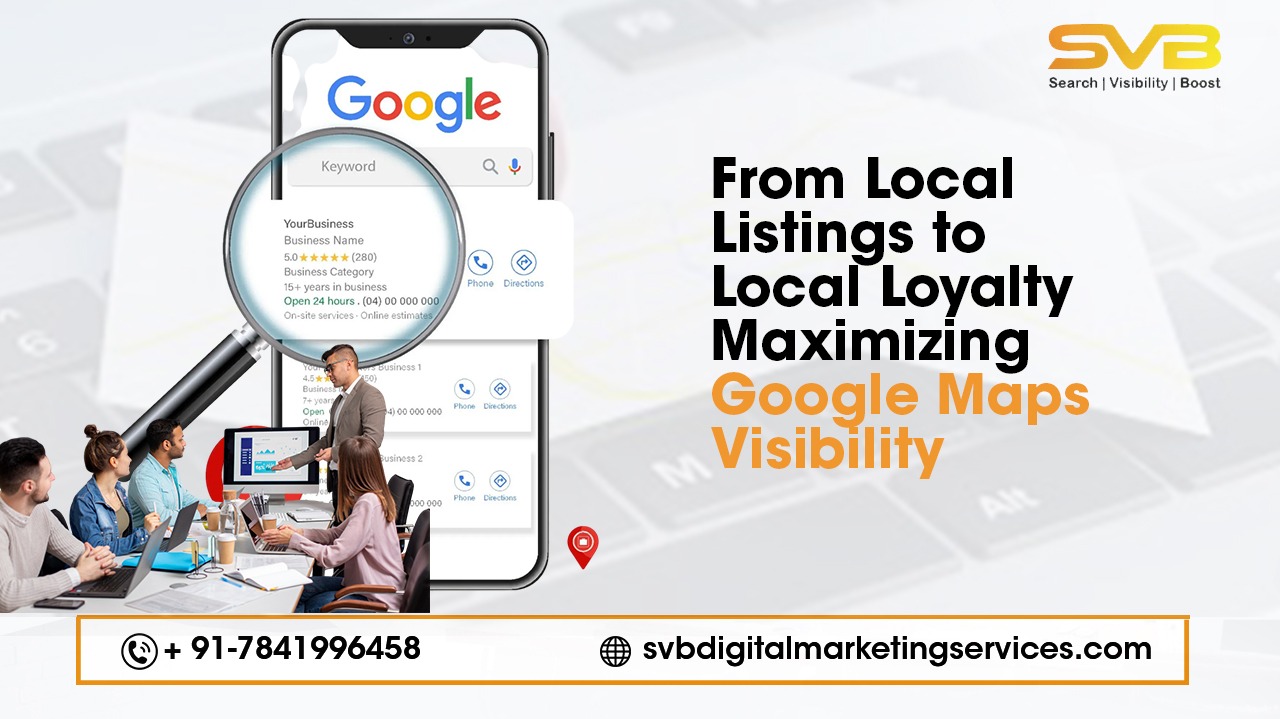
Local search has quietly become the new storefront. For service-based businesses, the decision point is no longer the website homepage it’s the Google Maps listing that appears before a customer ever clicks through. Ranking higher is important; earning trust at first glance is essential. The shift from google maps visibility to loyalty begins the moment a user types “near me.”
Businesses that treat Google Maps as an active growth channel not a static listing are the ones consistently attracting intent-driven customers. And improving Google Maps Visibility is no longer about gaming the algorithm; it’s about matching how real people search, compare, and choose.
Why Google Maps Is Now the First Point of Decision
Several studies, including reports by BrightLocal and HubSpot, show that users rely on map-pack results more than traditional organic listings when searching for local services. People expect relevance, proximity, legitimacy, and proof quickly. That’s why service businesses that prioritize Maps optimization often see increased calls, direction requests, and walk-in inquiries.
Voice search has accelerated this shift. When users ask questions like “best salon near me” or “plumber open now,” Google Maps becomes the default answer engine. And improving Google Maps Visibility ensures your business appears during these high-intent interactions.
Building a Strong Foundation: Your Google Business Profile
1. Accurate NAP Information
Name, address, and phone number inconsistencies confuse both users and algorithms. Maintaining exact NAP details across all platforms from website to directories is a baseline ranking signal.
2. Thoughtful Business Descriptions
Your description should clearly explain the services you offer, your location relevance, and your differentiators. Use natural phrasing, add service categories, and ensure the “opening hours” are regularly updated.
3. High-Intent Service Keywords
Adding relevant service types (e.g., “emergency AC repair,” “bridal makeup,” “24/7 towing”) helps Google match your listing to user queries especially for AEO-driven searches.
Local SEO Signals That Influence Maps Rankings
1. Proximity and Relevance
You cannot control proximity, but you can optimize relevance. The more complete your profile and service categories, the better your chances of matching local intent.
2. Reviews as Ranking + Retention Assets
Reviews are not just testimonials they’re data points Google uses to evaluate expertise, satisfaction, and trustworthiness. Responding to both positive and negative reviews signals reliability and builds customer confidence.
3. Photos That Tell a Real Story
Images showcasing your team, your work, and your location boost listing engagement. According to Google’s own data, businesses with regular photo updates receive more calls and requests for directions than those without visual activity.
AEO-Friendly Optimization: Matching How People Actually Search
Voice search queries are longer, conversational, and intent-specific. Incorporating these patterns helps you capture opportunities like:
- “Who is the top-rated home tutor near me?”
- “Where can I get same-day appliance repair?”
- “Which salon offers organic hair treatments in my area?”
Adding direct answers to your FAQ section or Google Posts helps improve Google Maps Visibility by aligning your content with real search patterns.
Turning Visibility Into Local Loyalty
Visibility gets attention; consistency earns loyalty.
1. Use Google Posts Strategically
Share updates, offers, behind-the-scenes stories, and service highlights. These posts appear directly on your business listing and help new users understand your reliability.
2. Build Service-Based Landing Pages
When a user clicks your website link, the experience should complement your maps listing. Dedicated landing pages for core services increase conversion rates and reduce drop-offs.
3. Encourage Return Visits With Real-Time Communication
Features like messaging, Q&A, and appointment links reduce friction and simplify decision-making. Fast responses can influence whether a first-time user becomes a long-term customer.
The Loyalty Loop: What Actually Converts Walk-Ins Into Regulars
- Clarity: Users should know exactly what you offer.
- Transparency: Reviews and responses must reflect authenticity.
- Consistency: Updated photos, accurate hours, and active posts show attentiveness.
- Accessibility: Easy communication builds trust before the first transaction.
When these elements align, Google Maps Visibility becomes more than ranking it becomes reputation.
FAQ’S
Q1. How do I rank higher on Google Maps as a service business?
By completing your profile, using accurate NAP data, updating service categories, adding photos, and encouraging reviews.
Q2. Does posting on Google Business Profile help visibility?
Yes. Posts signal freshness, improve engagement, and help Google understand your business activity.
Q3. What impacts Google Maps rankings the most?
Relevance, proximity, prominence, reviews, local citations, and profile completeness.
Q4. Do reviews affect local customer loyalty?
Absolutely. Reviews drive credibility and influence repeat decisions, especially when owners respond promptly.
Final Thoughts
Google Maps has evolved from a discovery platform to a loyalty engine. Service businesses that consistently invest in their listings through accurate data, reviews, visuals, and AEO-friendly content build a competitive advantage that extends far beyond search rankings. Visibility gets customers through the door, but thoughtful engagement keeps them coming back.
Keep seeing SVB insights on Google